
Nerve irritation care
Neuropathy Chiropractor in Savannah and Pooler
Feel the ground under your feet again.
Constant tingling, burning, numbness, or pins and needles in the hands and feet can make walking unsteady and sleep thin. Diabetes, injury, and spinal irritation are among the reasons people come in.
Our doctors evaluate and treat this condition every day. Tap Dr. Jared , Dr. Samantha , or Dr. Bradlie , or schedule your $49 evaluation to get started.
- A nervous-system evaluation that looks for compression
- Care aimed at signaling, not only at masking sensation

Start with clarity
Your first visit is a conversation, not a commitment.
Hands, feet, and the path between
Numbness is a message about the nerve.
People describe gloves or socks they are not wearing. The work is to find where the nerve is compressed or irritated and support healing without making medication the only plan.
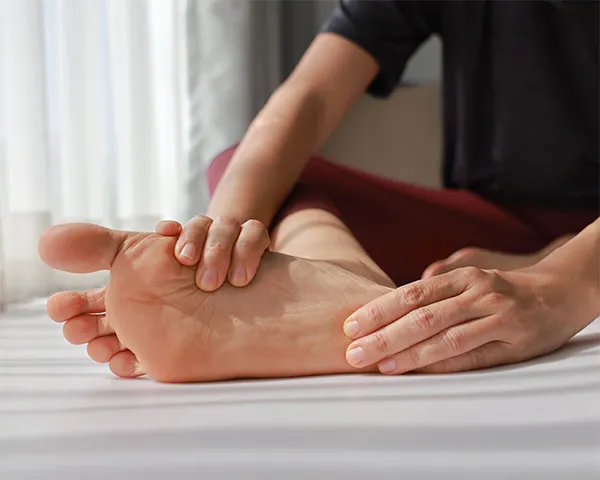
Peripheral nerves
Where it shows up
Tingling that does not match the skin
We start with a nervous-system evaluation to see where nerves are compressed or irritated, then build a plan around that map.
- Tingling, pins and needles, or numbness in the hands or feet
- Burning pain that is worse at night
- A feeling of wearing gloves or socks when you are not
- Unsteady walking or fatigue with simple tasks
Good to know: sudden weakness, one-sided facial symptoms, or loss of bowel or bladder control need emergency care.
Your pattern may involve one — or several.
-
Compression
A nerve can be irritated where it exits the spine or farther down the limb.
-
Metabolic load
Diabetes and similar conditions change how nerves tolerate stress.
-
Disc pressure
Decompression is considered when spinal pressure is part of the pattern.
-
Balance
Numb feet change gait, which then loads the spine differently.
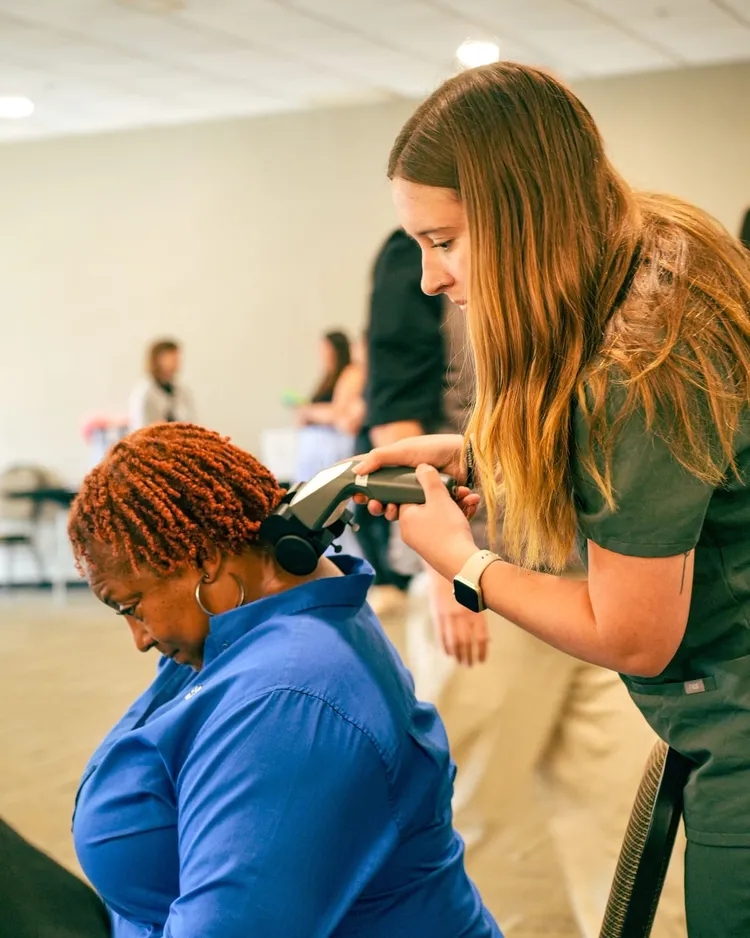
Care paced to your nervous system
Our root-cause approach
Support the signal. Reduce the irritation.
Precise adjustments improve alignment and nerve signaling. Decompression is used when pressure on a disc or nerve is part of the findings. Mobility work keeps the change usable.
- We look for compression before we guess at a supplement
- Medication is not treated as the whole plan
- Walking confidence is a result we ask about
A clear path forward
What care looks like
-
01
Listen & map
Your history, daily load, and what you want back come first. We do not start with a protocol.
-
02
Evaluate
Motion, orthopedic, and neurologic tests show what is irritated and what can wait.
-
03
Explain
Findings in plain language, including when imaging or another provider is the better next step.
-
04
Restore
Specific care, then movement you can repeat, with milestones you can see.
Built around real life
A plan you can understand — and follow
-
Specific chiropractic care
Adjustments and instrument work aimed at the joints and nerves the exam actually implicated.
-
Movement that makes sense
A short set of exercises tied to how you sit, lift, walk, or sleep — not a generic packet.
-
Progress you can see
We revisit the same measures so you know whether the plan is working.
No pressure. No long contracts. Just a clear next step.
Getting your life back is the outcome that matters.
“The floor felt like a floor again instead of cotton.”
-
Map
Nerve irritation
Located before care is chosen
-
Night
Burning and tingling
Often what disrupts sleep
-
Step
Steadier walking
When sensation starts to return
Questions about neuropathy
Can chiropractic care help neuropathy?
When nerve irritation has a mechanical driver, improving alignment and reducing pressure can change symptoms. The evaluation tells us whether that fits you or whether you also need medical management.
Will I need X-rays or an MRI?
Imaging is used only when your history and exam indicate it. Many people start with a hands-on evaluation. X-rays or an MRI are recommended when we need a clearer look at structure or nerve involvement.
Can I be seen during a flare-up?
Yes. A flare-up is a useful time to be seen, because we can compare how you move now with your baseline and adjust the plan. Call the office and we will do our best to see you promptly.
Do you accept insurance?
We offer a complimentary benefits check before care begins. Bring your insurance card, or send it ahead, and we will review coverage, deductibles, and auto-accident benefits when they apply. No services are rendered without your prior knowledge of your benefits.