
Root-cause chiropractic care
Back Adjustment & Low Back Pain in Savannah and Pooler
Move freely. Live fully.
Lower back pain and sciatica can make every step feel uncertain. We look beyond the symptom to understand how your spine, nervous system, and daily movement are working together, then build a gentle plan around you.
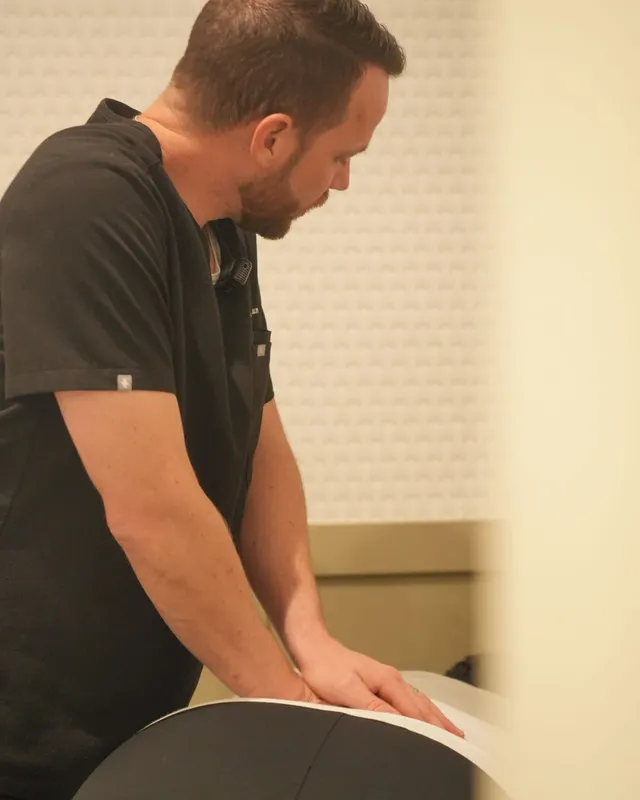
Our doctors evaluate and treat this condition every day. Tap Dr. Jared , Dr. Samantha , or Dr. Bradlie , or schedule your $49 evaluation to get started.
- Specific evaluation with clear, plain-language findings
- Gentle, non-invasive care tailored to your comfort

Start with clarity
Your first visit is a conversation, not a commitment.
Understand what your body is saying
Sciatica is a pattern, not a diagnosis.
Pain can begin in the spine, pelvis, muscles, or nerve pathway. Finding the driver matters because two people with the same symptoms may need very different care.
Lumbar spine · L1–L5
A connected pathway
Why pain can travel from your back to your foot
The sciatic nerve is formed by nerve roots in the lower spine. When the surrounding joints, discs, or tissues become irritated, your nervous system may send symptoms anywhere along that route.
- A deep ache or sharp catch in the lower back
- Pain traveling through the hip, glute, or leg
- Tingling, numbness, or “pins and needles”
- Weakness or fatigue after sitting or standing
Good to know: pain intensity does not always equal tissue damage. A calm, specific evaluation helps separate irritation from emergency signs.
Your pattern may involve one — or several.
-
Joint restriction
Reduced movement in the low back or pelvis can increase protective tension.
-
Disc irritation
Disc pressure may sensitize nearby tissue and change how you move.
-
Repetitive load
Long sitting, lifting, and one-sided habits can compound over time.
-
Nerve sensitivity
The sciatic nerve can become irritated anywhere along its pathway.
Care paced to your nervous system
Our root-cause approach
Relief is only the first chapter.
Our goal is not to chase the loudest symptom. It is to help your body move with less protection, your nervous system feel safer, and everyday life become easier again.
- No rushed adjustments or one-size-fits-all plans
- Imaging only when your history and exam indicate it
- Clear milestones and honest recommendations at every stage
A clear path forward
What care looks like
-
01
Listen & map
Your history, daily load, and what you want back come first. We do not start with a protocol.
-
02
Evaluate
Motion, orthopedic, and neurologic tests show what is irritated and what can wait.
-
03
Explain
Findings in plain language, including when imaging or another provider is the better next step.
-
04
Restore
Specific care, then movement you can repeat, with milestones you can see.
Built around real life
A plan you can understand — and follow
-
Specific chiropractic care
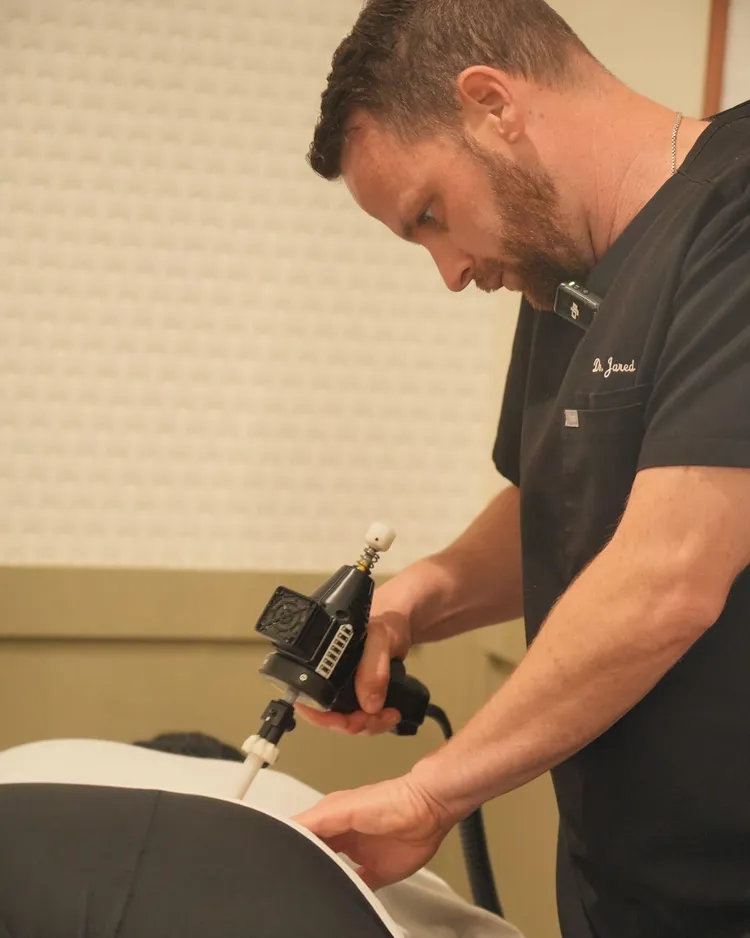
Adjustments and instrument work aimed at the joints and nerves the exam actually implicated.
-
Movement that makes sense
A short set of exercises tied to how you sit, lift, walk, or sleep — not a generic packet.
-
Progress you can see
We revisit the same measures so you know whether the plan is working.
No pressure. No long contracts. Just a clear next step.
Getting your life back is the outcome that matters.
“I came in planning every day around my leg pain. Now I walk the neighborhood, garden again, and trust my body instead of bracing for the next flare.”
-
8/10 → 2/10
Reported discomfort
After a personalized course of care
-
20 → 55 min
Comfortable walking
Without leg symptoms
-
6 weeks
Return to gardening
With pacing and movement support
Questions about lower back care
How do I know if my pain is sciatica?
Sciatica usually describes pain, tingling, numbness, or weakness that follows the sciatic nerve pathway. Your first visit helps us determine whether your symptoms fit that pattern and what may be driving it.
Will I need X-rays or an MRI?
Imaging is used only when your history and exam indicate it. Many people start with a hands-on evaluation. X-rays or an MRI are recommended when we need a clearer look at structure or nerve involvement.
How is this different from just resting?
Rest can calm a flare, but it does not show why the low back or nerve is irritated. We combine a movement exam with a plan you can follow, including adjustments, decompression when indicated, and simple stabilization.
Can I be seen during a flare-up?
Yes. A flare-up is a useful time to be seen, because we can compare how you move now with your baseline and adjust the plan. Call the office and we will do our best to see you promptly.
Do you accept insurance?
We offer a complimentary benefits check before care begins. Bring your insurance card, or send it ahead, and we will review coverage, deductibles, and auto-accident benefits when they apply. No services are rendered without your prior knowledge of your benefits.